Skip to content
When it comes to tilapia, it’s not just one fish. Several species fall under this widely popular name, and knowing them can make a big difference for fish suppliers, wholesalers, and consumers alike. Let’s dive into the six major species.
six significant tilapia species are commonly farmed and consumed worldwide. These species vary in size, flavor, and the environments they thrive in.
The most well-known are the Nile tilapia, blue tilapia, and Mozambique tilapia, among others.
Let’s explore these species and their unique characteristics.
What Are the Six Major Species of Tilapia?
Each tilapia species has distinctive qualities, which can affect farming practices, taste, and culinary uses.
The six major tilapia species include Nile, blue, Mozambique, red, Zanzibar, and the black tilapia.
These species differ in their environmental needs, growth rates, and flavors.
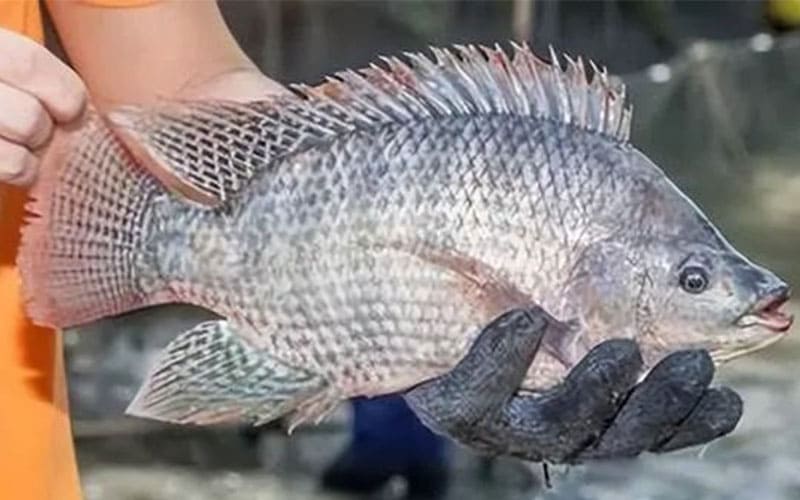
1. Nile Tilapia: The Most Commonly Known

Nile tilapia is arguably the most well-known species, often the first that comes to mind when people think of tilapia.
Nile tilapia is widely farmed due to its fast growth and resilience. It’s typically found in fresh and brackish waters, and it has a mild flavor and firm texture, making it a favorite in global cuisines.
2. Blue Tilapia: Hardier and More Adaptable
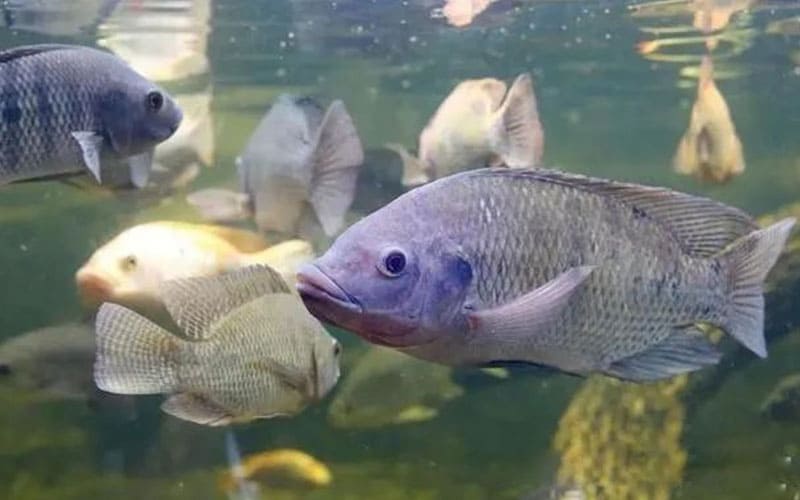
Blue tilapia is another commonly farmed species known for its adaptability to different environments.
Blue tilapia is more tolerant of varying water conditions, including colder and warmer climates. It’s a bit more robust than Nile tilapia, making it suitable for a broader range of farm environments.
3. Mozambique Tilapia: The Wild Ancestor
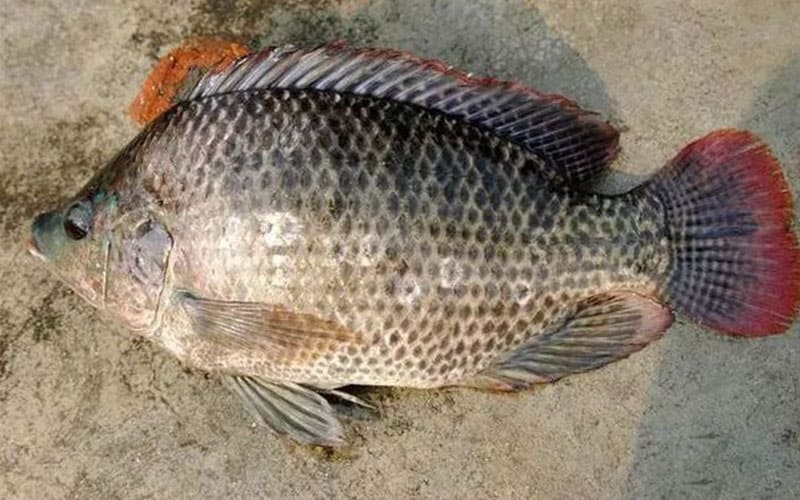
Mozambique tilapia is one of the more robust species, often seen as the wild ancestor of farmed tilapia species.
Mozambique tilapia is known for its hardiness and ability to thrive in challenging environmental conditions. While it’s less commonly farmed, it’s still highly valued in certain regions due to its adaptability.
4. Red Tilapia: A Colorful Variety
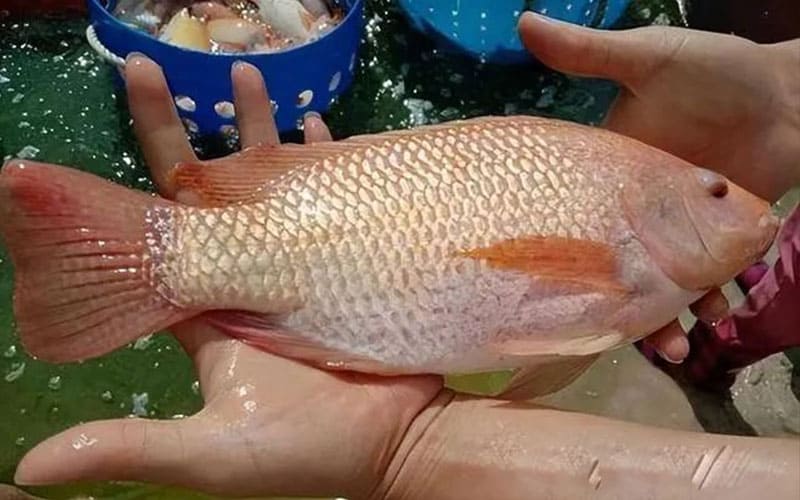
Red tilapia is a variation of the Nile tilapia, known for its distinctive red or pinkish color.
Red tilapia has a slightly sweeter flavor and is often sought after for its aesthetic appeal. Its color makes it a popular choice in premium markets and for more high-end presentations in dishes.
5. Zanzibar Tilapia: Less Known, But Special
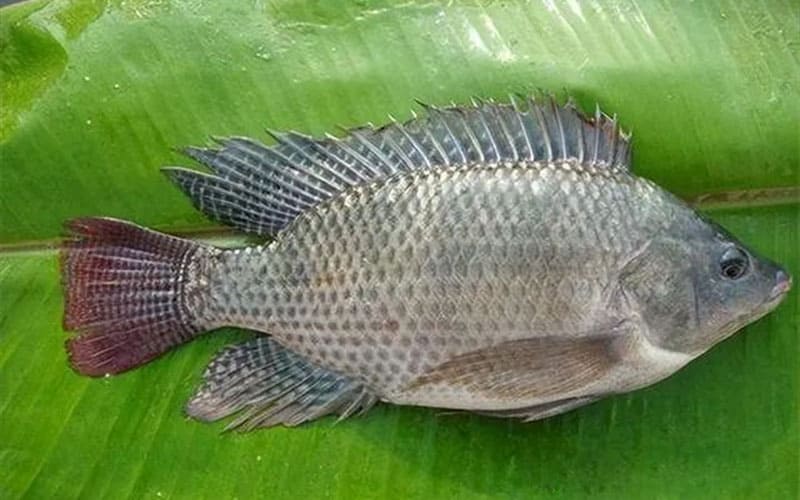
Zanzibar tilapia is less commonly found in global markets but still holds its place in some niche markets.
This species is typically found in specific regions of Africa, including Zanzibar. Known for its resilience in tropical waters, it’s often used in local markets and smaller-scale aquaculture.
6. Black Tilapia: A Specialty
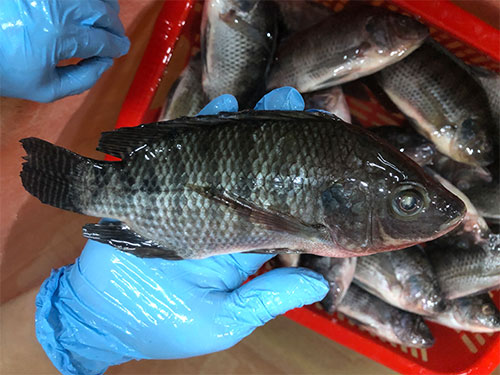
Black tilapia, or African crucian carp, is a freshwater fish in tropical and subtropical regions.
They usually live at the bottom of the water, feed mainly on plants, and are gentle and easy to breed. The meat of the tilapia is delicious, rich in protein and a variety of nutrients, and has a high edible value.
In addition, they have strong adaptability and can survive in different water quality environments, making them ideal farmed fish.
FAQsFAQs
Q1: What is the best type of tilapia to eat?
A: Generally, Nile Tilapia and Red Tilapia are considered the best types for eating.
Q2: Why is tilapia considered a "dirty fish"?
A: This is not certain. To ensure you are buying a clean product, look for certification from the Aquaculture Stewardship Council (ASC) or Best Aquaculture Practices (BAP).
Q3: What is the difference between red tilapia and regular tilapia?
A: Different varieties, taste, and appearances
Q4: Should I buy wild or farmed tilapia?
Choose farmed tilapia because it is controllable.
Conclusion
Tilapia comes in many forms, with each species offering unique benefits for farmers and consumers. Regardless of which of the popular Nile tilapia varieties you’re interested in, understanding the differences can help you make a more informed choice.
We are a leading global supplier of tilapia, focusing on providing a variety of tilapia products with consistent quality and reliable sources. We provide you with high-quality tilapia directly from our ASC certified farms in the form of tilapia Fillets and tilapia Whole. Contact us.